FROM THE CLASSROOM TO RESEARCH
From teaching. To learning.
For more than a decade, I taught K–8 computer science and robotics.
Today, I am a doctoral student at the University of Miami, researching how people learn through play.
The idea connecting it all? Make room to explore. Build something. Try again.

Jump to: Teaching & Robotics Community & Speaking Doctoral Research
THE WORK, IN REAL LIFE
Ideas made visible.
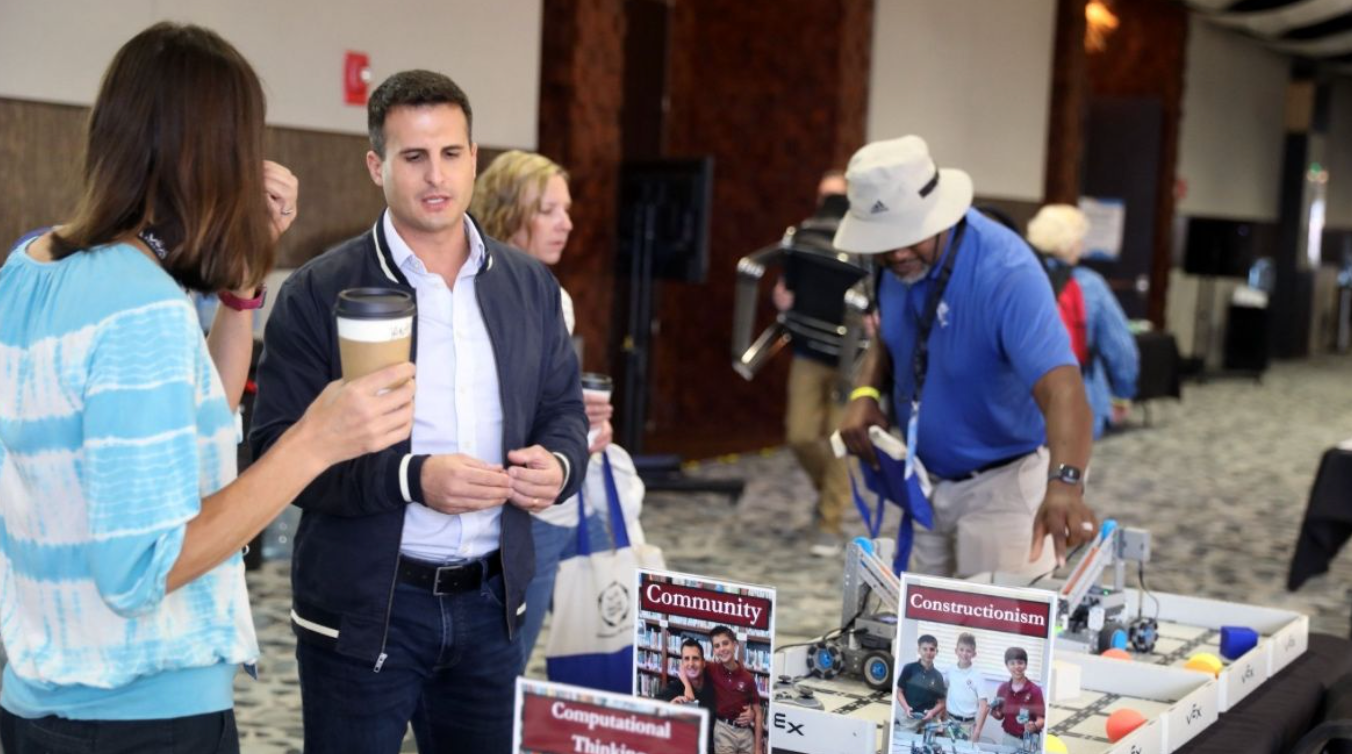
Before doctoral study, I developed hands-on robotics experiences and shared ideas with other educators. Those projects deepened my interest in creative learning, computational thinking, and what happens when students can experiment.
ROBOTICS & COMPUTER SCIENCE
Build with purpose.
In the classroom, Scratch, VEX, and hands-on challenges gave students room to design, debug, and try again. The questions raised by that work now guide my doctoral research.
Beyond the classroom
Frost Science
Advisory board service and hands-on robotics workshops.
Edutopia
Published perspectives on computer science, robotics, creativity and learning.
VEX Robotics
At the 2024 Educators Conference, I shared hands-on robotics teaching practices with educators.
Physical computing in practice
The same curiosity now shows up in my playful controller experiments. See The Peel Deal or explore my current research questions.
FROM THE CLASSROOM INTO THE COMMUNITY
The work travels.
Sharing ideas, learning from other educators, and bringing those conversations back to the places where people build and learn.
VEX ROBOTICS · 2024
From presentation to conversation.
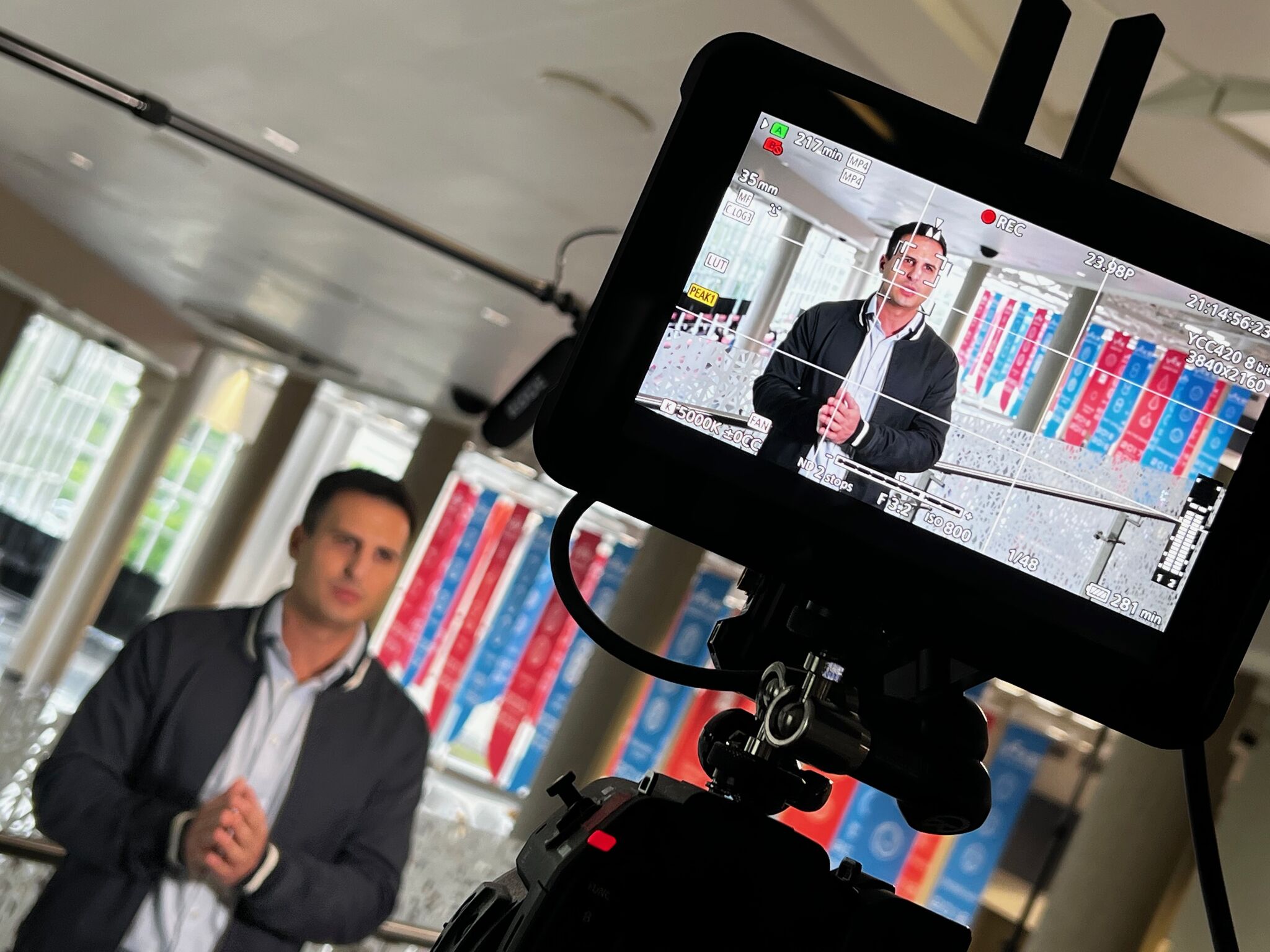
After presenting my robotics teaching practices at the VEX Educators Conference, I took part in a filmed interview about the work.
FROST SCIENCE · 2025
Learning happens by doing.
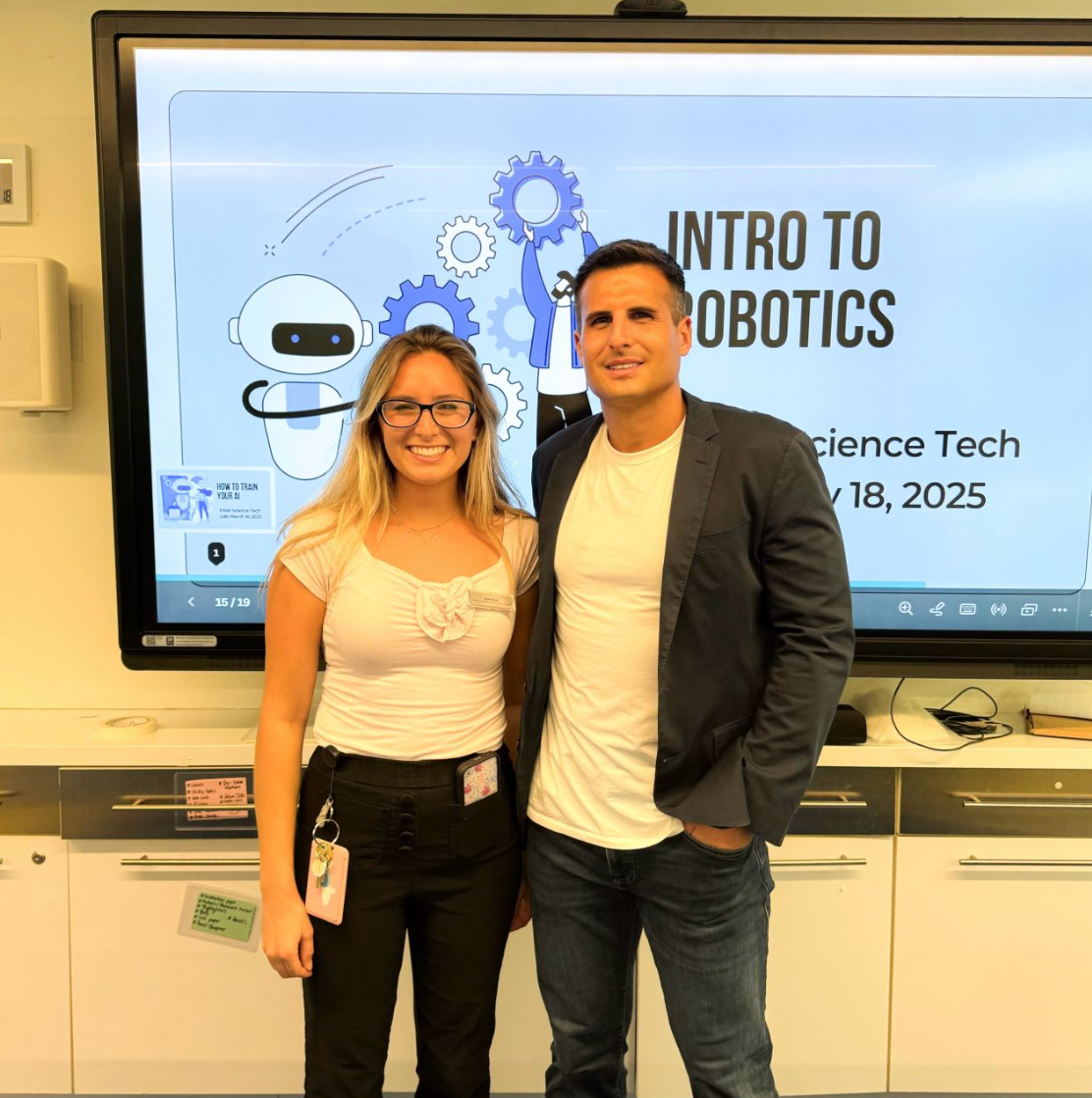
Tech Lab: Intro to Robotics brought building, testing, and debugging into a hands-on community workshop.
PUBLISHED CASE STUDY · VEX ROBOTICS · 2024
A classroom approach, documented.
VEX Robotics profiled my work at Saint Philip’s Episcopal School, including hands-on projects inspired by Mitchel Resnick’s four Ps of creative learning: Projects, Passion, Peers, and Play. The case study also documents the 2024 conference and the collaborations that grew from it.
01 · THE CLASSROOM
From following instructions to making ideas real.
Computer science and robotics became ways for children to express ideas, solve problems and make something of their own. That experience shaped the educator I am today.
02 · SHARING WHAT WORKS
The work left the classroom.
At the 2024 VEX Robotics Educators Conference, through Edutopia, and in partnership with Frost Science, I’ve shared ways to make computing and robotics more creative and connected. In my Edutopia writing, I call for deeper exploration rather than simply finishing a task: the 5th Experience.
03 · FALL 2026
A teacher becomes a doctoral student.
At the University of Miami, I’m moving from designing learning experiences to studying them. A course-based interview pilot examines how parents respond to children’s new strategies in games. I’m also exploring how computational thinking may emerge during dominoes play.
04 · NOVEMBER 2026
From Miami to Bangkok.
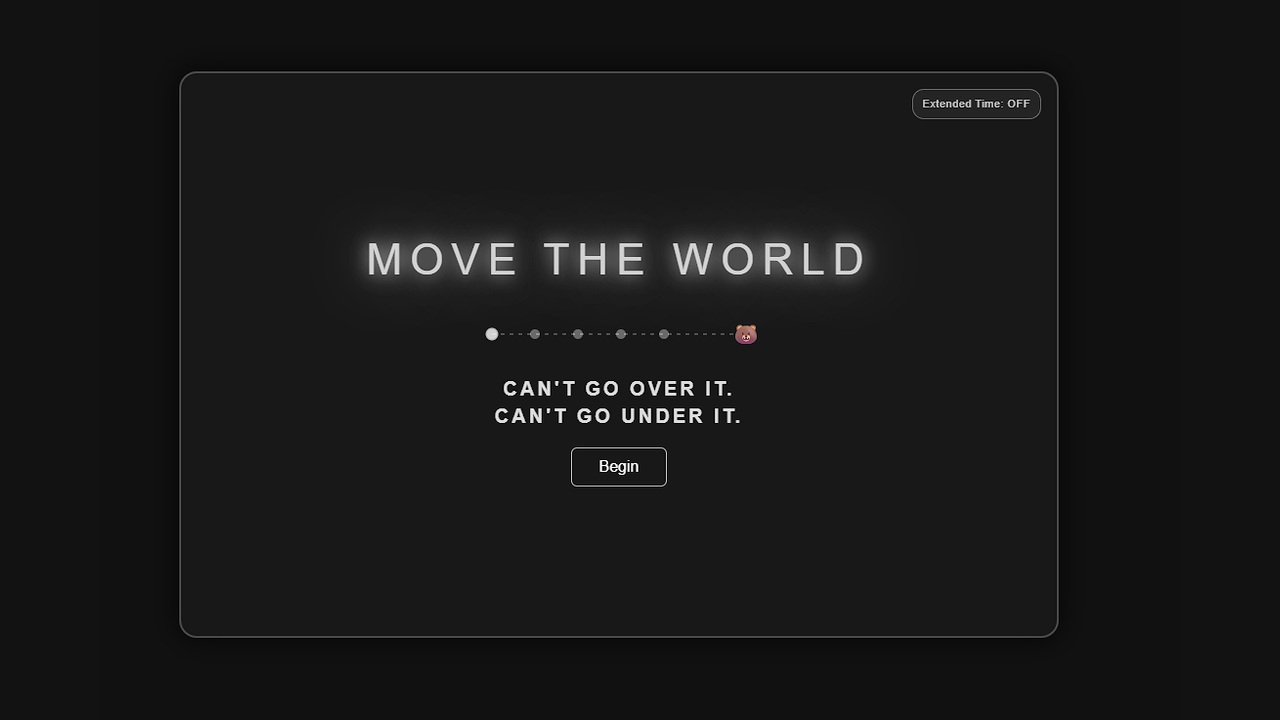
During my first semester, Move the World was selected for the ICIDS 2026 juried exhibition. A familiar bear hunt became an experiment in sound, rhythm and touch.
THE NEXT CHAPTER
Still building. Still learning.
Teaching taught me to create opportunities for discovery. Doctoral study is teaching me to slow down, investigate one question deeply and support what I find with evidence. I still love building things. Now I want to understand what we learn while making them.

